
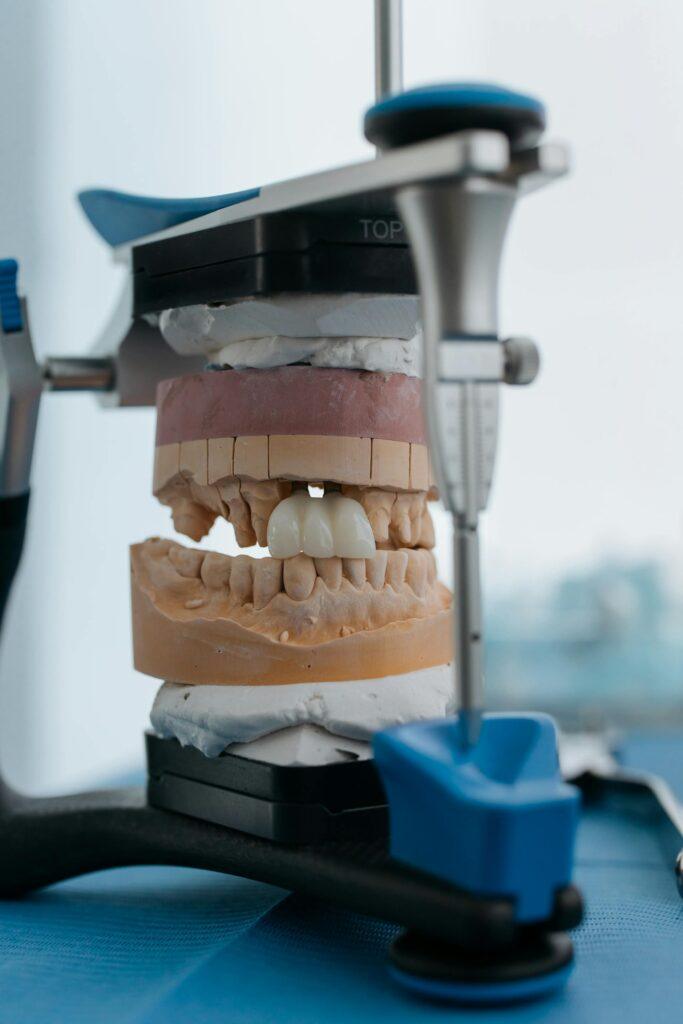
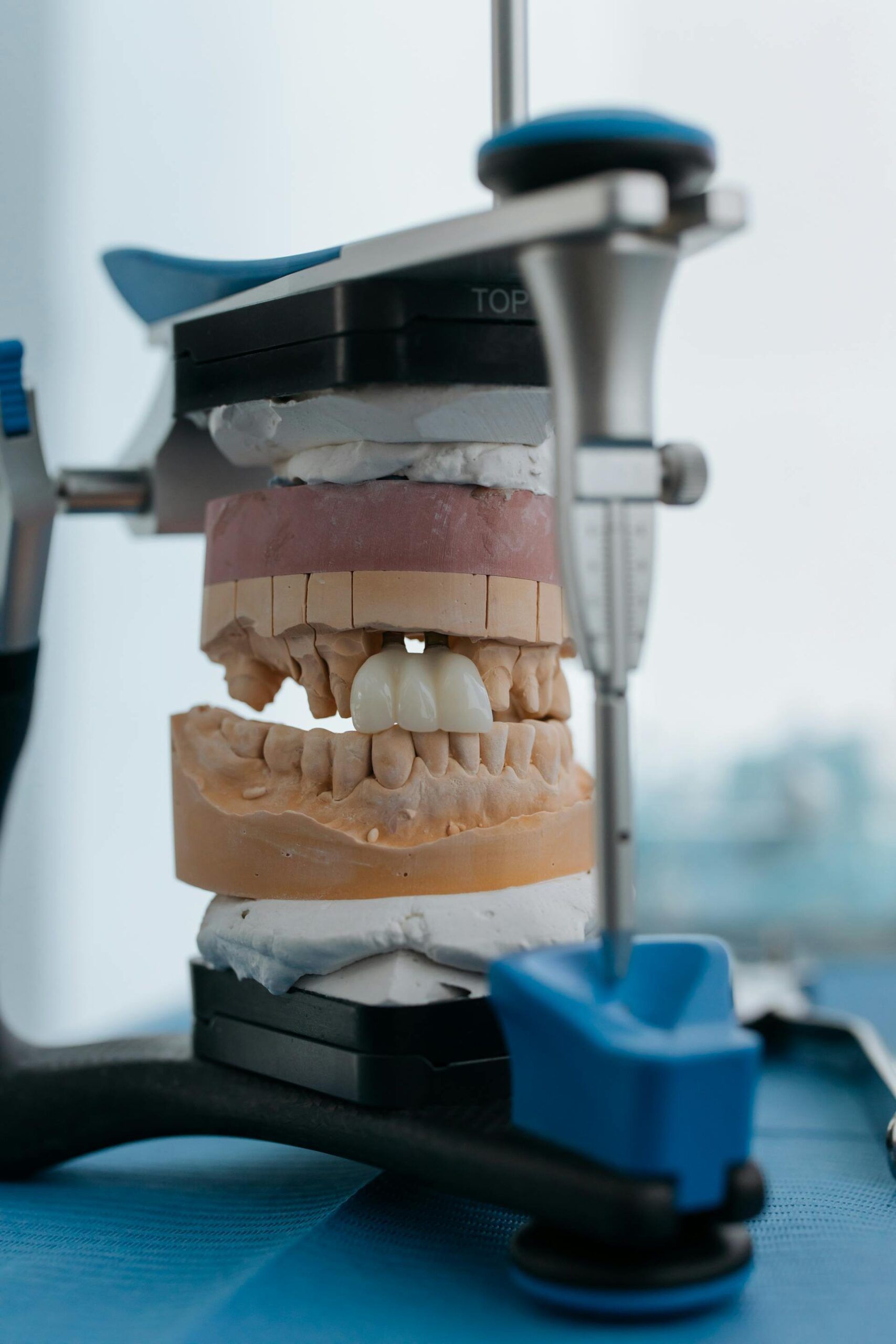
The teeth are designed to handle the everyday pressure of chewing and biting. However, that doesn’t make them immune to damage.
Over time, untreated decay, grinding, or even a single hard bite can weaken the teeth and leave them vulnerable. When this occurs, protecting the remaining tooth structure is critical for preservation.
A crown for a cracked tooth is often recommended because it fully covers the tooth and reinforces weakened areas. Dental practitioners use crowns to secure fractures and reduce the risk of additional breakdown.
Understanding this purpose helps patients make informed decisions based on long-term tooth preservation. If you suspect your tooth may be weakened or cracked, a professional evaluation can determine whether a crown is the right solution for you.
What Is a Dental Crown and When Is It Recommended?
A dental crown is a custom restoration that thoroughly covers the tooth above the gumline, restoring its shape, size, and strength. It is commonly recommended when:
- A tooth has extensive decay
- A large filling has left little natural structure remaining
- A crack or fracture threatens the tooth’s stability
- A root canal has removed the inner pulp, leaving the tooth brittle
When structural integrity is compromised, a crown is recommended to support what remains of the tooth and restore its function.
How Crowns Protect Weakened Teeth
Dental crowns help protect compromised teeth in several ways, including the following:
Full Coverage Strength
When a tooth is compromised or damaged, everyday chewing causes pressure to build up around a weak area and deepen existing cracks. A crown protects all visible sections of the tooth, which distributes the force more evenly across your teeth. This lowers the risk of any fracture spreading or the tooth breaking further.
Stabilizing Cracks
Cracks often begin as small lines that may not cause immediate pain. However, with daily use, those cracks can deepen and widen. A crown for cracked tooth damage acts like a protective band, holding the tooth together and preventing the fracture from progressing, reducing the risk of severe splitting.
Sealing Out Bacteria
When a tooth is cracked or heavily restored, small gaps and weakened areas can allow bacteria to enter. This increases the risk of decay or infection inside the tooth. A properly fitted crown seals the surface, protecting the vulnerable areas beneath and helping prevent further deterioration.
Restoring Function
Weak or cracked teeth can make chewing uncomfortable. You may unconsciously avoid using that side of your mouth, which can lead to uneven bite pressure and jaw strain. Once protected with a crown, most patients regain confidence in normal chewing and biting.
Crown Materials and Durability
Dental crowns are made from different materials. The type of material used by your dental care provider will depend on the tooth’s location and the forces it must withstand:
- Porcelain and ceramic crowns are commonly used for front teeth because they closely match the color of natural enamel.
- Zirconia and metal alloys may be recommended for back teeth where chewing pressure is greater and additional strength is needed.
Material selection for a crown for cracked tooth restoration is based on the tooth’s structural demands and appearance. The goal is to provide coverage that supports the remaining tooth and resists further fracture under normal bite forces.
What to Expect During the Crown Process
Crown placement typically requires two visits:
- The first visit involves examining the tooth and may take X-rays to evaluate the extent of damage. If a crown is appropriate, your dentist reshapes the tooth to create space for the restoration. An impression or digital scan is then taken to ensure a precise fit. A temporary crown is placed to protect the tooth while the permanent crown is fabricated in a dental laboratory.
- At the second visit, the temporary crown is removed, and the custom crown is checked for fit and bite alignment. Once adjustments are made, it is cemented into place.
If you believe a tooth may be cracked or weakened, requesting an early evaluation enables your dentist to determine whether a crown is necessary before the damage progresses.
Caring for Your Crown
A dental crown restores strength to a weakened tooth, but it does not eliminate the need for routine care. The underlying tooth and surrounding gum tissue remain susceptible to decay and inflammation.
To protect your crown after it is placed, make sure to:
- Brush your teeth and floss daily to prevent plaque buildup around the crown margins.
- Avoid hard objects such as ice to reduce the risk of chipping.
- Schedule regular dental check-ups to allow your provider to monitor the crown’s fit and the health of the supporting tooth.
With consistent oral hygiene and periodic evaluation, a crown can function effectively for many years.
Protect a Weakened Tooth Before It Worsens
Only Crowns specializes in protecting damaged teeth with expertly crafted crowns built for long-term strength. Call 1-866-474-0717 to schedule your consultation and get clear, confident guidance for improved oral health.