

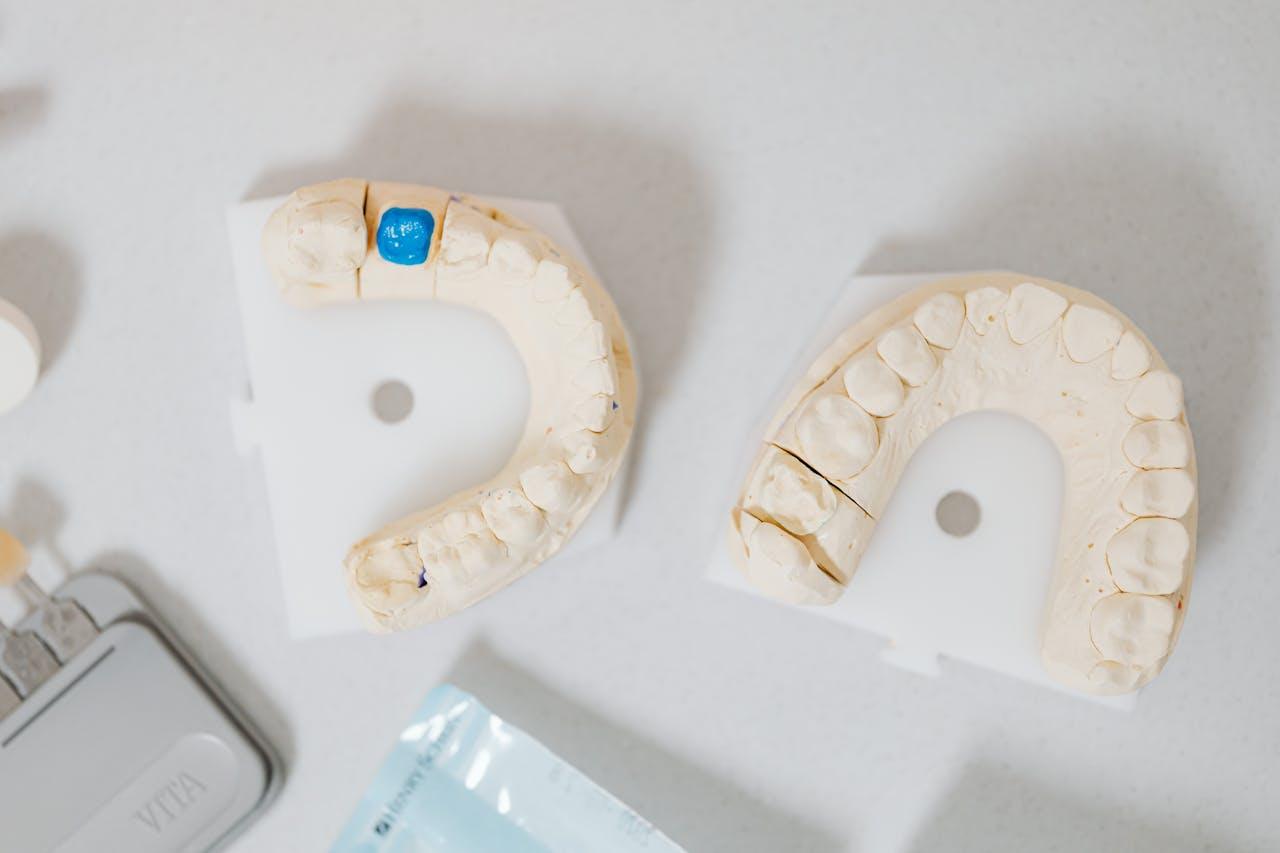
If your dentist has recommended a dental crown, your first question is likely, “What kind should I get?” It’s a fair question. Dental crowns can be made from several different materials with varying features.
It’s also worth stressing that a crown is more than a cover for a damaged tooth. It restores the tooth’s shape and protects it from further wear while helping you chew and smile comfortably again. So, the material you choose plays a significant role in determining how well your crown performs and how natural it looks.
What Are Dental Crowns Made Of?
Dental crowns are available in several different materials, each with its own strengths. The best choice generally depends on where the crown will be placed and your desired look.
Because each crown material behaves differently in your mouth, it’s worth understanding how the most common options compare before making your choice.
- Porcelain
For patients who prioritize a natural appearance, porcelain crowns are often the preferred choice. Their lifelike translucency allows them to blend almost seamlessly with nearby teeth, making them ideal for front teeth or other areas that show when you smile. Because they’re metal-free, they’re also an excellent option for anyone with sensitivities or allergies.
However, the trade-off is durability. While strong, porcelain can chip or wear more quickly under heavy bite pressure, especially in individuals who grind their teeth.
- Porcelain-Fused-to-Metal (PFM)
When both durability and aesthetics matter, a porcelain-fused-to-metal crown offers a balance of the two. A metal foundation gives it strength and longevity, while the porcelain overlay creates a more natural appearance.
PFMs are reliable for both front and back teeth. The only drawback is that, over time, a thin gray line can sometimes appear near the gumline as the metal shows through. The porcelain surface may also chip if exposed to excessive force.
- Gold
Few materials match gold’s record for strength and resilience. These crowns are crafted from a blend of gold and other metals, such as copper or nickel, creating a restoration that can last for decades with proper care.
They’re also gentle on opposing teeth and require minimal removal of natural enamel. However, their metallic color makes them better suited for molars or areas that are out of sight.
- Zirconia
Modern dentistry has embraced zirconia for its unique combination of toughness and aesthetic appeal. This high-strength ceramic resists cracking, withstands bite pressure, and replicates the appearance of natural enamel. It’s also biocompatible, meaning it’s safe and unlikely to irritate surrounding tissue.
Even better, patients can often walk out the same day with zirconia crowns. At specialized dental practices like Only Crowns, these zirconia restorations are crafted in-office with advanced CEREC technology. Patients can have their custom restoration made and placed in a single visit.
- Composite Resin
For short-term or budget-friendly needs, composite resin crowns offer a quick and affordable solution.
Their tooth-colored material blends reasonably well with natural enamel but isn’t as durable as porcelain or zirconia. They’re often used as temporary restorations or for teeth that experience less pressure when chewing.
How To Choose the Right Dental Crown Material
Selecting a dental crown material can feel overwhelming at first. The good news is that you don’t have to decide blindly. A few practical factors can help narrow the choices and make your decision easier:
- Consider Durability and Bite Force: If you grind, clench, or have a strong bite force, you’ll want something that can take it. Materials like zirconia or metal are built for that kind of strength. They’re durable enough for molars and can last for years with consistent care.
- Consider Aesthetics: If the tooth is visible when you smile, its appearance matters. Porcelain and zirconia crowns offer the most natural color and translucency, blending smoothly with your other teeth.
- Evaluate Cost and Longevity: The budget is always part of the decision. Metal crowns are often the most durable in the long run, while porcelain and zirconia crowns can be a more significant investment initially. Still, the trade-off is worth considering, since these materials look more natural and hold up beautifully for years.
- Consult Your Dentist: No online guide can replace professional advice. Your dentist will examine your bite, enamel thickness, and gum health to determine the best material for your needs. They’ll help you weigh each factor so your crown feels comfortable and fits your needs.
Your Perfect Crown Awaits
Dental crowns can be made from a range of materials, each offering its own balance of strength, appearance, and cost.
Among today’s options, zirconia crowns stand out for their ability to combine long-lasting strength with a natural, tooth-like appearance. That’s why they’ve become a leading choice for patients who want a restoration that performs well and looks great for years to come.
At Only Crowns, zirconia crowns are what we do best. With advanced CEREC technology, your custom crown is made and placed in a single visit, eliminating the need for waiting or temporary caps.
If you’re ready to restore your smile with something strong, natural, and made to last, we’d love to help. Contact us to get started!