
Many patients hesitate when their oral health professional recommends a dental crown. You may be weighing the cost, wondering if the tooth feels “bad enough” to merit a crown, or hoping the issue will resolve on its own.
The truth is that sometimes a short delay is manageable. However, delaying a dental crown treatment for too long may allow a small problem to grow into something more serious. If you are unsure about a recommendation, it is always worth having a detailed conversation with your dentist to make a confident, informed decision.
Why Dentists Recommend a Crown
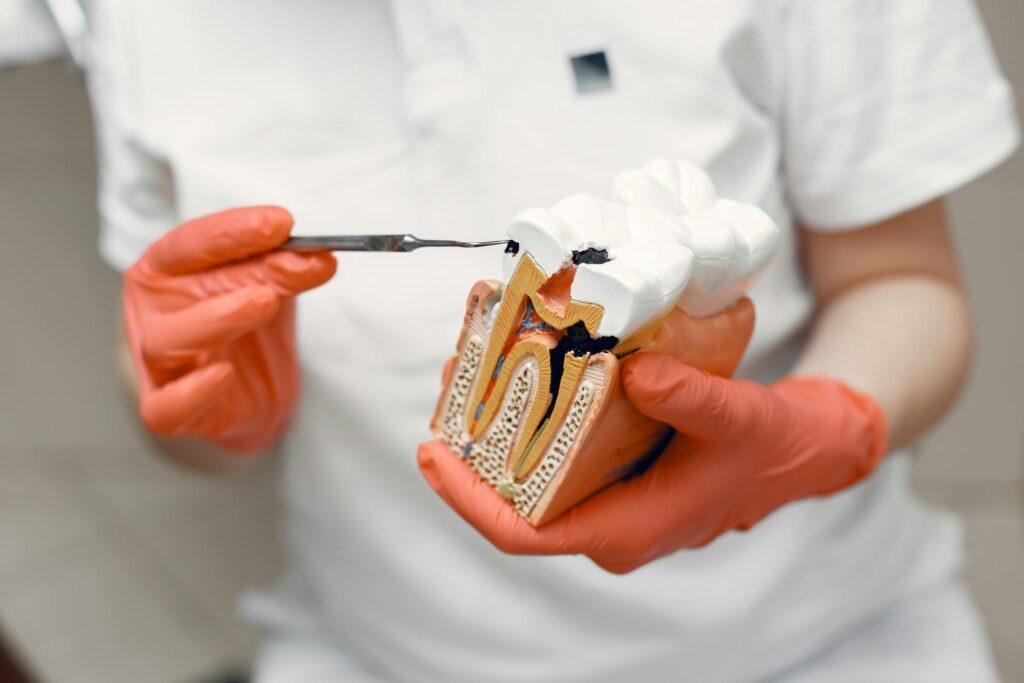
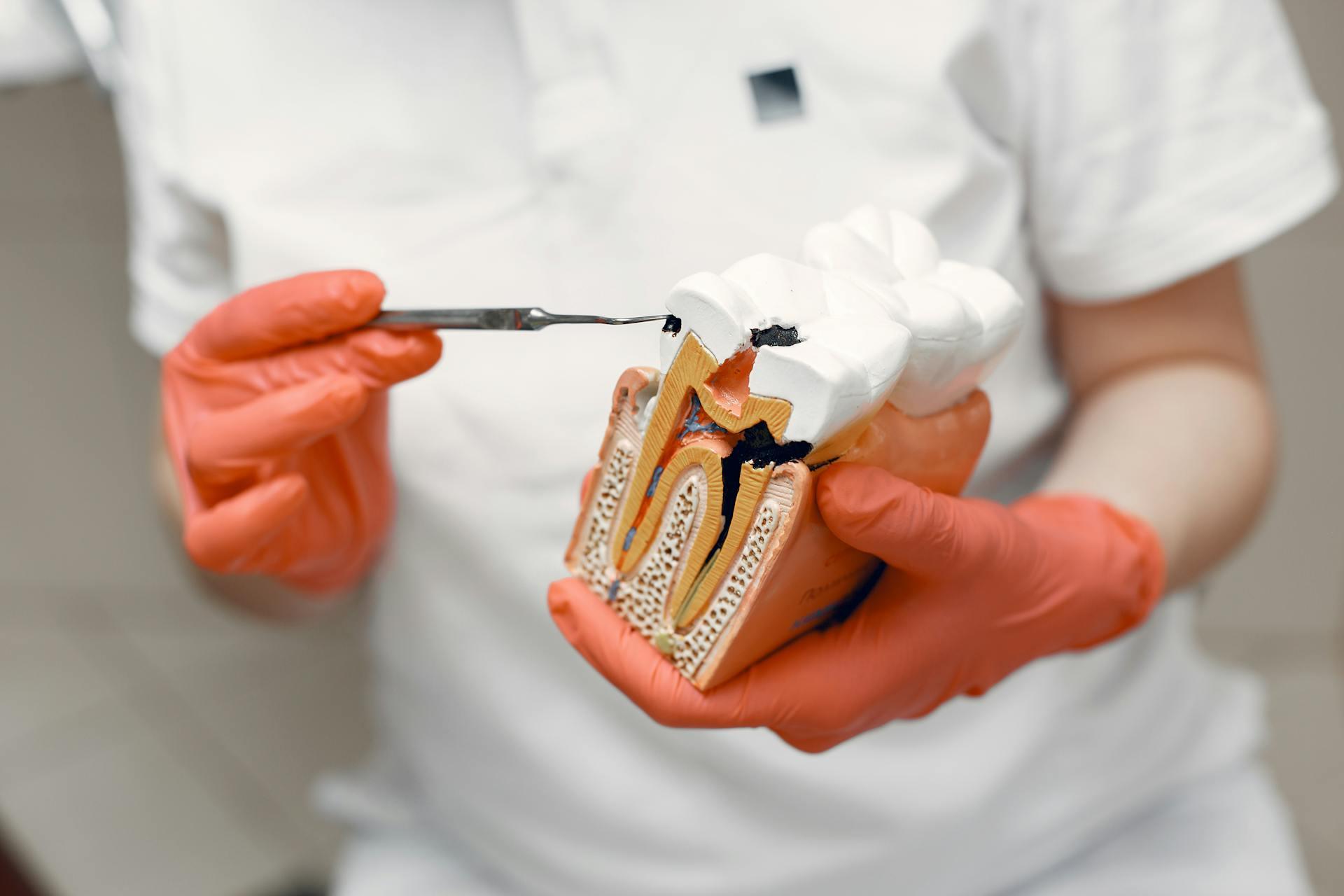
Dentists typically recommend a dental crown when a tooth has lost too much structure to support a filling. This may happen after a large cavity, a cracked tooth, or a root canal procedure.
Crowns cover and protect weakened teeth and help maintain proper chewing function. Your back teeth, in particular, endure significant pressure every day. If too much natural tooth structure is missing, that pressure can cause fractures.
In many cases, a crown serves as a preventive measure. It protects the remaining portion of your natural tooth and reduces the risk of future complications. When a dentist recommends one during a consultation, the goal is often to help you avoid bigger problems later on.
What Happens in the Short Term If You Wait
When dental crown treatment is delayed, the tooth remains structurally compromised. While discomfort may be minimal at first, the underlying risks can steadily increase.
Increased Sensitivity
Without complete protection, the inner layers of your tooth may be more exposed. You might notice discomfort when eating hot, cold, or sweet foods. This sensitivity can gradually worsen over time.
Higher Risk of Cracks
A weakened tooth does not evenly distribute chewing pressure. Everyday activities like eating bread, nuts, or even softer foods can cause small cracks to expand. What begins as a minor fracture can quickly become a significant break.
Progression of Decay
If the tooth was already affected by decay, bacteria can continue to spread deeper into the structure. Without the seal of a crown, vulnerable areas remain exposed.
The Long-Term Consequences of Delaying a Dental Crown
Over time, postponing treatment can lead to more complex dental issues, such as:
- Infection and Root Canal Treatment: Cracks or untreated decay may allow bacteria to reach the inner pulp of the tooth. Once the pulp becomes infected, a root canal may be necessary to remove the infection and preserve the tooth. In many cases, a crown is still required afterward.
- Severe Tooth Fracture: If a weakened tooth splits below the gumline, it may no longer be repairable. At that point, extraction may be the only option.
- Tooth Loss and Replacement: When a tooth cannot be saved, replacement options such as dental implants or bridges become necessary. These solutions are effective, but they involve more extensive treatment, longer recovery, and are often more costly than placing a crown earlier.
In many situations, delaying dental crown care transforms a relatively straightforward restoration into a more invasive procedure.
Financial Considerations: Why Waiting Can Cost More
It is understandable to consider the financial side of treatment. However, it is also important to look at the bigger picture.
A crown today may prevent the need for a root canal, extraction, or implant. Those procedures require additional appointments and increased expenses. If you’re worried about the cost, then consider the fact that many insurance providers often cover crowns that are considered medically necessary.
Addressing the issue while it is contained is often the most cost-effective approach in the long run. Talk to your provider to determine whether a crown procedure is covered.
How Waiting Can Affect Daily Life
Beyond clinical risks, there are practical consequences to consider. You may begin favoring one side of your mouth when chewing, which can lead to a bite imbalance or jaw discomfort. If the affected tooth is visible, cosmetic concerns can also affect your confidence.
Patients are often surprised by how much delaying dental crown treatment influences their comfort and daily routines. Minor adjustments in how you eat or smile can gradually become habits that impact your day-to-day routines.
Is It Ever Safe to Wait?
In some situations, delaying a dental crown may be acceptable, particularly if the damage is minimal or a temporary crown has been placed. However, this decision should always be made with professional guidance.
A clinical evaluation can determine how vulnerable the tooth is and whether postponing treatment increases your risk. If you are unsure whether waiting is safe in your situation, it is best to schedule a consultation with your dentist.
Making an Informed Decision
If you have been advised to get a crown, the decision should be based on a clear understanding of your tooth’s condition, the extent of existing damage, and the risks of waiting. A clinical evaluation can determine whether the tooth is still stable or at risk of further breakdown.
Only Crowns focuses exclusively on crown treatment. That focus allows patients to receive a detailed assessment of the affected tooth and a treatment plan centered on restoration rather than extraction or replacement.
If you are considering your next step, call 1-866-474-0717 today to schedule a consultation and review your options.