
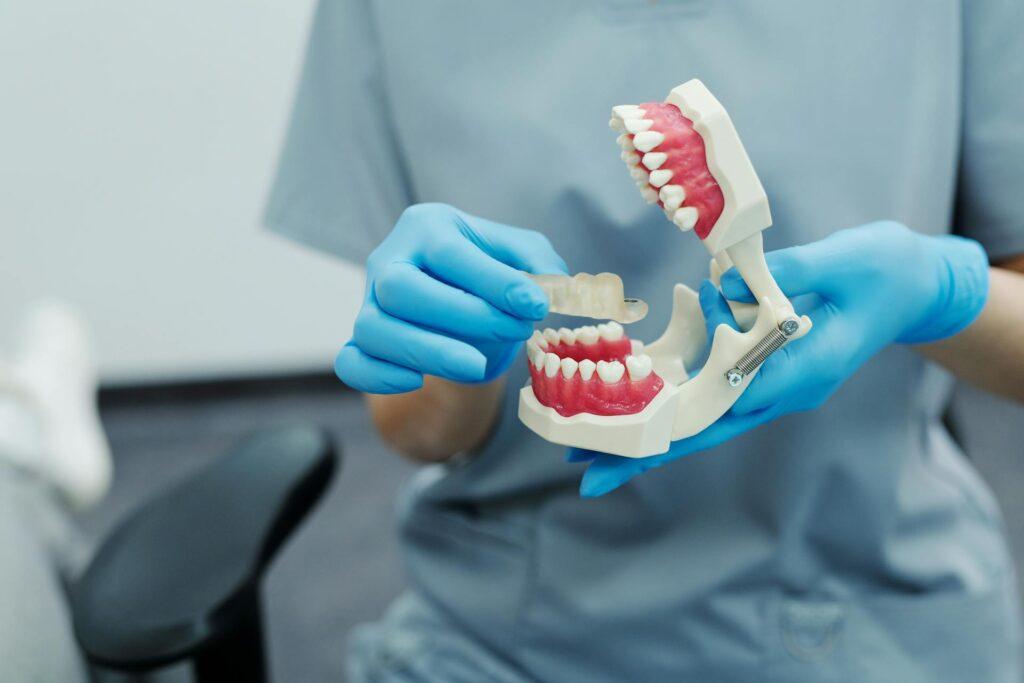

A CEREC crown is a custom dental crown that is digitally scanned, designed, manufactured and placed during one appointment using chairside CAD/CAM technology.
CEREC is the name of the digital system used to create the restoration. It is not a specific crown material. Depending on the dental office and the patient’s needs, CEREC technology can work with zirconia, glass ceramic and other compatible materials.
Only Crowns uses CEREC technology to create permanent zirconia crowns for eligible patients. This allows the dental team to complete the crown in the office without sending it to an outside laboratory or placing a temporary crown while the patient waits.
This guide explains:
- What a CEREC crown is
- How digital scanning replaces traditional impressions
- What happens during the design and milling process
- Why some crowns require heat treatment
- How CEREC crowns compare with laboratory crowns
- The benefits and limits of same-day treatment
- Who may be a candidate
- What patients should expect after placement
What Does CEREC Mean in Dentistry?
CEREC is a chairside computer-aided design and computer-aided manufacturing system made by Dentsply Sirona.
The process is commonly referred to as CAD/CAM dentistry:
- CAD means computer-aided design.
- CAM means computer-aided manufacturing.
The technology connects the main stages of creating a dental restoration. A digital scanner records the tooth, software helps design the crown, and a milling machine shapes the restoration from a manufactured block of dental material.
Some materials then require additional processing in a dental furnace before the crown can be finished and placed.
The CEREC restorative workflow from Dentsply Sirona describes four main stages: scanning, designing, manufacturing and finalizing the restoration.
Is a CEREC Crown a Type of Crown Material?
No. This is one of the most common misunderstandings about CEREC crowns.
CEREC describes the technology and manufacturing process. It does not describe the material itself.
A CEREC system may work with compatible materials such as:
- Zirconia
- Lithium disilicate
- Other glass ceramics
- Hybrid ceramics
- Resin-based CAD/CAM materials
The appropriate material depends on:
- The location of the tooth
- The amount of chewing pressure
- Crown thickness
- The patient’s bite
- The color of the underlying tooth
- The appearance required
- Grinding or clenching
- The condition of the supporting tooth
- The restorations and equipment available at the dental office
Only Crowns uses zirconia for its same-day permanent crowns. Zirconia is selected because it combines strength with a tooth-colored appearance and works with an in-office digital manufacturing process.
What Dental Problems Can a CEREC Crown Treat?
A crown may be recommended when a tooth is too damaged or weakened for a smaller restoration.
A CEREC crown may be considered when a tooth:
- Has a large cavity
- Contains a large or failing filling
- Is cracked but can still be restored
- Has broken tooth structure
- Has been weakened by root canal treatment
- Has significant wear
- Needs full coverage for protection
- Requires a tooth-colored restoration
- Can be prepared and restored during one appointment
The technology does not determine whether the tooth needs a crown. A dentist must first examine the tooth, review the required images and decide whether a crown is the appropriate treatment.
Some teeth need a filling, onlay, root canal, gum procedure or extraction instead.
The Main Parts of a CEREC Crown System
A same-day crown requires several pieces of equipment and software working together.
| CEREC component | What it does | Why it matters |
| Digital intraoral scanner | Captures a three-dimensional record of the prepared tooth, nearby teeth and bite | Replaces or reduces the need for traditional impression material |
| Design software | Creates a proposed crown shape based on the digital scan | Allows the dentist to review contours, contacts, thickness and bite |
| Milling unit | Shapes the crown from a block of compatible dental material | Produces the restoration inside the dental office |
| Dental furnace | Processes materials that require sintering, crystallization or glazing | Brings certain materials to their final strength, dimensions and appearance |
| Finishing instruments | Allow staining, glazing, polishing and adjustments | Refine the crown before placement |
| Cementation system | Attaches the finished crown to the prepared tooth | Holds the restoration in place for long-term use |
The equipment completes specific technical tasks, but the dental team still makes the treatment decisions and checks the final restoration.
How Is a CEREC Crown Made?
The exact process varies according to the tooth, material and equipment, but most same-day crown appointments follow a similar sequence.
1. The Tooth Is Examined
The dentist begins by examining the tooth and reviewing any necessary X-rays or digital images.
This evaluation may include:
- The amount and location of decay
- Existing fillings
- Cracks or fractures
- Gum and bone support
- The health of the tooth nerve
- Previous root canal treatment
- Remaining tooth structure
- Signs of infection
- Bite pressure
- Grinding or clenching
- Space available for the restoration
The dentist must confirm that the tooth can support a crown. CEREC technology does not replace diagnosis or treatment planning.
2. The Tooth Is Prepared
The dentist removes damaged or weakened tooth structure and shapes the tooth so the crown can fit over it.
If a large portion of the tooth is missing, a build-up may be required to create a suitable foundation.
The preparation needs to provide enough space for the crown while preserving healthy tooth structure where reasonably possible.
The dentist must also create a clear crown margin. This is the area where the edge of the restoration will meet the natural tooth.
3. The Tooth and Bite Are Digitally Scanned
An intraoral scanner captures the prepared tooth, neighboring teeth and opposing arch.
The scanner records a series of images that are combined into a three-dimensional digital model. The dental team can review this model on a screen during the appointment.
Digital scanning often removes the need for a tray filled with impression material.
It also allows the dental team to:
- Review the scan immediately
- Check whether the crown margin is visible
- Identify missing information
- Rescan a specific area
- Inspect nearby tooth contacts
- Record the patient’s bite
- Show the patient the prepared tooth
Research reviewing digital impressions has found that they can provide clinically acceptable accuracy for single crowns and shorter restorations. However, scanning can be more difficult when a crown margin is deep below the gumline or when blood and moisture prevent the scanner from capturing the area clearly.
The dentist may need to manage the gum tissue and moisture before completing the scan.
4. The Crown Is Designed on a Computer
The CEREC software uses the scan to create an initial crown proposal.
The proposed shape is based on information from:
- The prepared tooth
- Neighboring teeth
- The opposing teeth
- The patient’s bite
- Available space
- The expected tooth anatomy
The computer-generated proposal is only a starting point. The dentist still needs to review and adjust the design.
The dental team may change:
- Crown height
- Width and contour
- Contact with neighboring teeth
- Chewing grooves
- Bite contact
- Crown thickness
- Margin position
- Surface shape
The goal is to create a crown that fits the tooth, supports normal function and does not place unnecessary pressure on the bite.
What the Computer Does and What the Dentist Does
CEREC technology assists with the manufacturing process, but it does not make the clinical decisions by itself.
| The CEREC system helps with | The dentist remains responsible for |
| Creating a digital model | Diagnosing the tooth |
| Producing an initial crown proposal | Deciding whether a crown is appropriate |
| Measuring the available space | Preparing the tooth |
| Displaying crown thickness | Selecting the restoration material |
| Transferring the design to the milling unit | Reviewing the crown design |
| Milling the restoration | Checking the crown margins |
| Guiding material processing | Confirming neighboring contacts |
| Saving digital case information | Adjusting the bite |
| Manufacturing the crown in the office | Approving and cementing the restoration |
A digital process can support consistency and efficiency, but the final result still depends on clinical judgment, tooth preparation, material selection and careful placement.
5. The Crown Is Milled
Once the design is approved, the information is sent to the CEREC milling unit.
The machine shapes the crown from a manufactured block of dental material. Small cutting instruments remove material from the block until the restoration matches the digital design.
This is a subtractive manufacturing process. The crown is milled rather than printed.
Dentsply Sirona states that some current CEREC milling units can mill a zirconia crown in approximately five minutes. However, this is only the milling stage. The complete dental appointment takes longer because the tooth must still be examined, prepared, scanned, designed, processed, finished, checked and cemented.
6. The Material Is Processed
Some crown materials require additional heat treatment after milling.
Zirconia may need to be sintered in a dental furnace. During sintering, the crown is processed at a high temperature to develop its final strength and dimensions.
Other ceramic materials may require crystallization or glazing.
The CEREC software, milling equipment and furnace use material-specific settings. This helps the system account for the processing requirements of the selected block.
Not every material follows the same procedure, which is why the complete crown time can vary.
7. The Crown Is Finished
The crown may be:
- Stained
- Glazed
- Polished
- Contoured
- Smoothed
- Adjusted
These steps help refine the shade, surface texture and appearance.
Finishing is also important for the bite. A rough or poorly adjusted surface could affect the opposing tooth.
8. The Crown Is Tried In
The dentist places the crown over the prepared tooth before final cementation.
The following areas are checked:
- Crown fit
- Crown margins
- Contact with neighboring teeth
- Bite
- Shape
- Shade
- Surface finish
- Patient comfort
The dentist may make small adjustments and polish the crown again before placement.
9. The Crown Is Cemented
Once the dentist is satisfied with the fit, appearance and bite, the crown is bonded or cemented to the tooth.
Excess cement is removed, and the bite is checked again.
The patient then receives instructions about eating, sensitivity, cleaning and symptoms that should be reported.
Why Does a Same-Day Crown Appointment Take About 90 Minutes?
A milling machine may shape a crown in only a few minutes, but milling is one part of a larger dental procedure.
The full appointment includes:
- Examination and imaging
- Local anesthesia
- Removal of decay or old restoration material
- Tooth preparation
- A build-up when required
- Digital scanning
- Crown design
- Milling
- Heat treatment when needed
- Staining, glazing or polishing
- Fit and bite checks
- Crown adjustments
- Final cementation
- Post-treatment instructions
Appointment time can change if the tooth is difficult to prepare, the gum needs additional management, the scan must be repeated or the crown needs further adjustment.
The goal is not simply to produce the crown quickly. Each stage needs to be completed properly before final placement.
CEREC Crown vs Traditional Laboratory Crown
Both CEREC and laboratory workflows can produce suitable permanent crowns. The main difference is where and when the restoration is made.
| Treatment feature | CEREC crown | Traditional laboratory crown |
| Crown design | Completed digitally in the dental office | Completed by the dental office and laboratory |
| Manufacturing location | Inside the dental office | At an outside dental laboratory |
| Impression | Usually a digital scan | May use a digital or traditional impression |
| Temporary crown | Usually not required | Commonly required |
| Number of main visits | Often one | Usually at least two |
| Placement | Crown is placed after in-office manufacturing | Crown is placed after the laboratory returns it |
| Material selection | Limited to materials compatible with the office’s system | May provide access to a wider range of materials and layered designs |
| Major changes | Can often be addressed during the appointment | May require the crown to return to the laboratory |
| Laboratory involvement | Usually limited or not required for a single crown | Laboratory technician completes part of the process |
One method is not automatically better for every tooth. Complex cosmetic cases, long bridges, unusual bite concerns or restorations requiring detailed laboratory layering may still benefit from a traditional process.
Does a CEREC Crown Fit as Well as a Laboratory Crown?
A CEREC crown can provide an appropriate clinical fit when the tooth is prepared, scanned, designed, manufactured and placed correctly.
A 2023 systematic review of zirconia and lithium disilicate CAD/CAM crowns concluded that clinically acceptable internal and marginal fit could be achieved using digital impressions.
However, digital technology does not guarantee a perfect crown.
Fit can be affected by:
- Tooth preparation
- Visibility of the crown margin
- Blood, saliva or moisture
- Scanner technique
- Digital design
- Material selection
- Milling instruments
- Processing
- Crown adjustments
- Cementation
- The patient’s bite
The dentist should still inspect the crown, test the contacts and check the bite before final placement.
Benefits of a CEREC Crown
One Main Appointment
The crown can often be prepared and placed during one visit. This may be useful for patients who find it difficult to arrange several appointments.
No Temporary Crown for Eligible Patients
Because the permanent crown is completed before the patient leaves, there is usually no need for a temporary crown.
This removes the period when a patient must avoid sticky foods and monitor a provisional restoration that could loosen or crack.
Digital Scanning
Many patients prefer a digital scan to a tray filled with impression material.
The scan can also be reviewed immediately. If one area is incomplete, the dental team can often rescan that section without repeating the full impression.
In-Office Manufacturing
The dental team can review the crown throughout the design and manufacturing process.
Small changes may be made during the appointment without sending the restoration back to a laboratory.
Permanent Restoration on the Same Day
The patient leaves with the final crown rather than a temporary placeholder.
This can restore the tooth’s appearance and function without a waiting period between preparation and placement.
A Range of Compatible Materials
CEREC systems can work with several dental materials. This gives the dentist options for balancing strength, appearance and tooth location.
The exact material selection is still limited by the equipment, validated materials and treatment needs of the patient.
Limitations of CEREC Crown Technology
Not Every Tooth Can Be Restored in One Visit
A tooth may need separate treatment before a crown can be placed.
Examples include:
- Root canal treatment
- Gum treatment
- Crown lengthening
- Management of an infection
- Treatment of extensive decay
- Evaluation of a suspected root fracture
- Extraction when the tooth cannot be restored
Some Cases Still Benefit From Laboratory Work
A traditional laboratory may be preferred when the case involves:
- Complex front-tooth shade matching
- Multiple connected crowns
- A long dental bridge
- Specialized layering
- Limited scanning access
- An unusual bite
- A highly customized restoration
- Implant work requiring additional components
The Crown Still Requires Tooth Preparation
CEREC changes the manufacturing process, but it does not remove the need to prepare the tooth.
The dentist must still remove damaged areas and create enough space for the restoration.
Same-Day Does Not Mean Indestructible
A CEREC crown can still:
- Chip
- Crack
- Loosen
- Wear
- Develop a rough surface
- Need a bite adjustment
- Require replacement
- Develop decay around the crown margin
The material, supporting tooth and bite all affect the result.
Digital Equipment Does Not Replace Clinical Judgment
The scan and software provide information, but they cannot decide whether a tooth is restorable, whether the nerve is healthy or whether a root canal is required.
Those decisions remain part of the dental examination.
Who May Be a Candidate for a CEREC Crown?
You may be considered for a CEREC crown if:
- Your tooth needs full crown coverage
- The tooth can be restored
- No separate treatment is required first
- A compatible crown material suits the tooth
- The crown margin can be scanned clearly
- Your bite can support the restoration
- The crown can be manufactured during the appointment
- You would prefer to avoid a temporary crown
- You want to reduce the number of dental visits
A same-day crown is not selected based only on convenience. The dentist must confirm that it provides a suitable treatment for the tooth.
What Does a CEREC Crown Feel Like After Placement?
A CEREC crown should feel similar to another properly fitted permanent crown.
Short-term gum tenderness or temperature sensitivity may occur after the tooth has been prepared. These symptoms should generally become less noticeable rather than worsen.
Contact the dental office if you notice:
- A bite that feels too high
- Sharp pain when chewing
- Pain when releasing your bite
- Increasing sensitivity
- A crown that moves or clicks
- A rough or chipped area
- Food repeatedly becoming trapped
- Swelling or drainage
- Pressure that does not improve
A bite adjustment may be required if the crown contacts the opposing tooth too early.
What Can You Eat After Getting a CEREC Crown?
While your mouth is numb, avoid chewing to reduce the risk of biting your lip, cheek or tongue.
If the tooth or gum feels tender during the first day, choose foods that require less chewing. These may include:
- Eggs
- Yogurt
- Pasta
- Soft rice
- Fish
- Cooked vegetables
- Soup that is not very hot
Once the crown is comfortable and the dentist has cleared normal chewing, a permanent CEREC crown should support an ordinary diet.
Continue avoiding habits that can damage crowns and natural teeth, such as chewing ice or using teeth to open packaging.
How to Care for a CEREC Crown
Care for the crown and supporting tooth by:
- Brushing twice daily with fluoride toothpaste.
- Cleaning between the teeth every day.
- Paying attention to the crown margin.
- Limiting frequent sugary foods and drinks.
- Avoiding chewing ice and other hard objects.
- Wearing a sports mouthguard when appropriate.
- Asking about a nightguard if you grind or clench.
- Keeping regular dental examinations.
- Reporting a loose or painful crown.
- Having the bite checked if it feels different.
The crown material cannot develop a cavity, but the natural tooth around and underneath the crown can still decay.
Common Misconceptions About CEREC Crowns
“CEREC Is a Crown Material”
CEREC is the manufacturing system. The crown itself may be made from zirconia, glass ceramic or another compatible material.
“The Crown Is 3D Printed”
Most CEREC crowns are milled from a manufactured block. The milling unit removes material until the restoration matches the digital design.
“The Computer Makes Every Decision”
The software creates an initial proposal, but the dentist reviews the crown shape, thickness, margins, contacts and bite.
“Same-Day Crowns Are Temporary”
A same-day CEREC crown is a permanent restoration. It is designed and placed during one appointment so the patient does not need to wear a temporary crown.
“Fast Milling Means the Entire Appointment Takes Five Minutes”
The milling stage may take only a few minutes, but tooth preparation, scanning, design, material processing, finishing and cementation require additional time.
“CEREC Crowns Are Automatically Better Than Laboratory Crowns”
CEREC and laboratory crowns can both be appropriate. The better option depends on the tooth, material, appearance required, bite and complexity of treatment.
CEREC Crowns at Only Crowns
Only Crowns uses digital imaging and CEREC technology to design, mill and place permanent zirconia crowns during one appointment for eligible patients.
The process usually takes about 90 minutes, although the appointment may be shorter or longer depending on the tooth and treatment required.
Only Crowns currently lists a flat cash price of $799 per crown. According to its patient information, the price includes:
- The crown evaluation
- Required X-rays or digital images
- A build-up when needed as part of the crown appointment
- Digital scanning
- Crown design
- In-office manufacturing
- Crown placement
The evaluation must first confirm that a crown is appropriate. Separate treatment may be needed before the crown can be placed.
Learn more about Only Crowns’ CEREC technology, review the same-day crown service or read the dental crown procedure FAQs.
Questions to Ask Before Getting a CEREC Crown
Ask your dentist:
- Why does this tooth need a crown?
- Can the tooth be restored?
- Does it need a root canal or another procedure first?
- Is a CEREC crown appropriate for this tooth?
- What material will be used?
- Why is that material recommended?
- How will the tooth be scanned?
- How will the crown shade be selected?
- Will the crown require heat treatment?
- How will the bite be checked?
- Does grinding affect my treatment?
- Will I need a nightguard?
- How long should the appointment take?
- What is included in the crown price?
- What symptoms should I report after placement?
Frequently Asked Questions About CEREC Crowns
Is a CEREC Crown a Permanent Crown?
Yes. A CEREC crown is intended to be the final permanent restoration. It is completed during the appointment, which usually removes the need for a temporary crown.
What Material Is a CEREC Crown Made From?
CEREC crowns can be made from several compatible materials, including zirconia and glass ceramics.
Only Crowns uses zirconia for its same-day permanent crowns.
Is a CEREC Crown the Same as a Zirconia Crown?
Not necessarily. CEREC refers to the technology used to design and manufacture a restoration. Zirconia refers to a specific crown material.
A zirconia crown can be made using CEREC technology, but CEREC systems can also work with other compatible materials.
How Long Does It Take to Make a CEREC Crown?
The milling stage may take only a few minutes, but the complete appointment includes examination, tooth preparation, scanning, design, processing, finishing, fit checks and cementation.
At Only Crowns, the full appointment usually takes about 90 minutes, depending on the case.
Does a CEREC Crown Require a Traditional Impression?
CEREC treatment usually uses a digital intraoral scanner instead of a traditional impression tray.
The scan creates a three-dimensional model of the prepared tooth, surrounding teeth and bite.
Does a CEREC Crown Require a Temporary Crown?
Usually not. The permanent crown is manufactured and placed during the same appointment.
A temporary restoration may still be needed if treatment cannot be completed that day.
Is a CEREC Crown as Strong as a Traditional Crown?
Strength depends on the crown material, thickness, design, supporting tooth and bite rather than whether the crown was made inside a dental office or laboratory.
Zirconia is commonly selected when strength is a major concern.
Are CEREC Crowns Accurate?
Digital impressions and CAD/CAM manufacturing can produce clinically acceptable crown fit when each stage is completed properly.
Accuracy depends on preparation, scan quality, margin visibility, design, milling, material processing and cementation.
Can a CEREC Crown Be Used on a Front Tooth?
CEREC technology can be used for some front crowns. The dentist must consider shade, translucency, gum position and the appearance of nearby teeth.
Highly detailed cosmetic cases may still benefit from laboratory involvement.
Can a CEREC Crown Be Used After a Root Canal?
Yes, a CEREC crown may be placed on a root canal-treated tooth if the dentist confirms that the tooth is stable and can support the restoration.
The root canal may need to be completed before the crown appointment.
Can a CEREC Crown Get a Cavity?
The crown material cannot develop a cavity, but the natural tooth at the crown margin and underneath the restoration can still decay.
Daily brushing, interdental cleaning and regular dental care remain necessary.
Can a CEREC Crown Be Whitened?
Dental whitening does not predictably change the shade of ceramic or zirconia crowns.
If you plan to whiten your natural teeth, discuss the timing before the crown shade is selected.
Can I Eat Normally With a CEREC Crown?
Once numbness and short-term tenderness have passed, a permanent CEREC crown should support normal eating.
Avoid chewing ice and other very hard objects that can damage crowns and natural teeth.
What Should I Do If My CEREC Crown Feels Too High?
Contact the dental office. A crown that meets the opposing tooth too early may cause pressure or pain when chewing.
The dentist can check the bite and adjust the crown when needed.
How Long Does a CEREC Crown Last?
There is no fixed lifespan for every crown. Its performance depends on the supporting tooth, crown material, design, fit, bite, oral hygiene, grinding and dental care.
A same-day manufacturing process does not remove the need for regular examinations.
How Much Does a CEREC Crown Cost at Only Crowns?
Only Crowns currently lists a flat cash fee of $799 per crown. Confirm the current price and whether any separate treatment is needed during your evaluation.
Complete Your Permanent Crown in One Appointment
A CEREC crown is created through a connected digital process that includes scanning, computer-guided design, in-office milling, finishing and final placement.
The main benefit is not that the computer replaces the dentist. The benefit is that the technology allows the dental team to produce the permanent restoration inside the office, often without a temporary crown or second placement appointment.
Successful treatment still depends on a proper diagnosis, suitable tooth preparation, the right crown material, accurate scanning, careful design and a balanced bite.
Request an appointment with Only Crowns or call 1-866-474-0717 to find out whether a same-day CEREC crown is appropriate for your tooth.
This article is for general education and does not replace an examination, X-rays, diagnosis or advice from a licensed dentist who has evaluated your tooth.